WHO WE ARE
Human-centered.
Structurally grounded.
We believe care for people and care for structure are not competing priorities. They are inseparable.
How work is designed shapes how people experience it, and we attend to both.
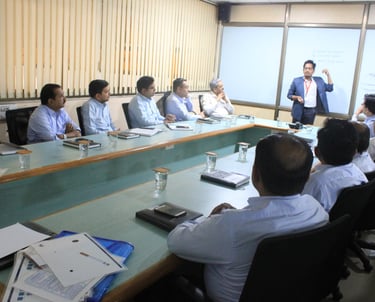
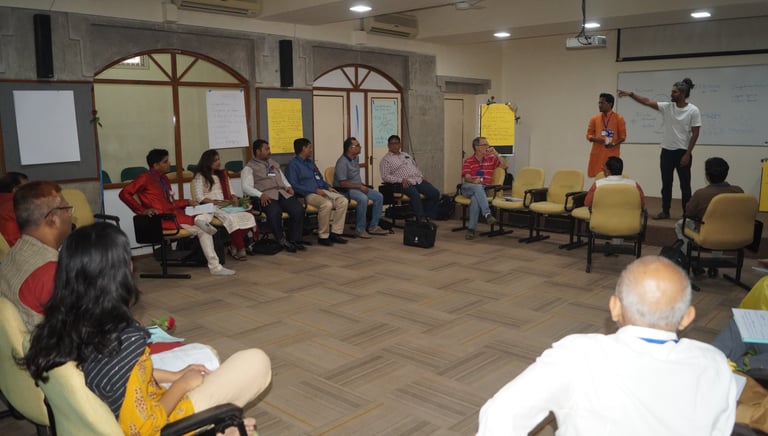
WHY WE EXIST
Born from lived experience of how often people are expected to set aside parts of themselves just to keep work moving.
Co-Creative Solutions was founded in January 2016 by Umesh Mangroliya, from a desire to help create workplaces that work for people, not just around them.
That intention came from direct experience of organizational life: seeing the friction, the misalignment, and the exhaustion that builds when how work is structured and how people experience it are treated as separate concerns.
Over time, that question became a deeper exploration: how can organizations work in ways that support both effectiveness and humanness? Co-Creative Solutions grew from that search.
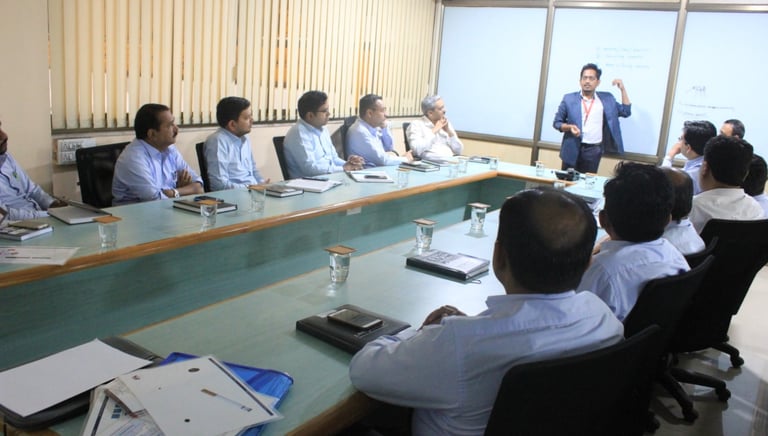
Today, we partner with organizations to design ways of working that are clearer, healthier, and more sustainable through stronger alignment, better systems, thoughtful processes, and intentional collaboration.
A founder, associates, advisers, and a wider circle of partners


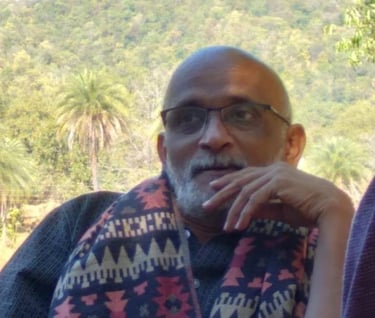
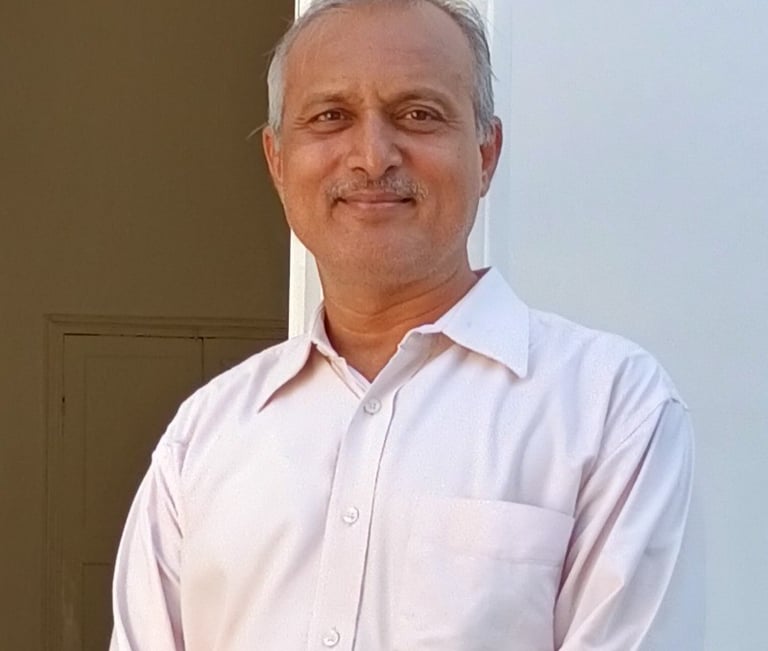
Umesh Mangroliya
Founder /Principal Consultant & Facilitator
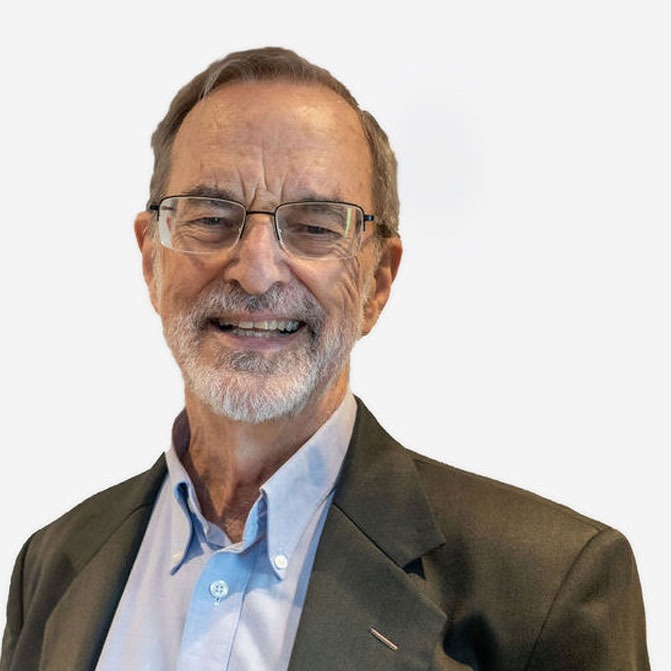
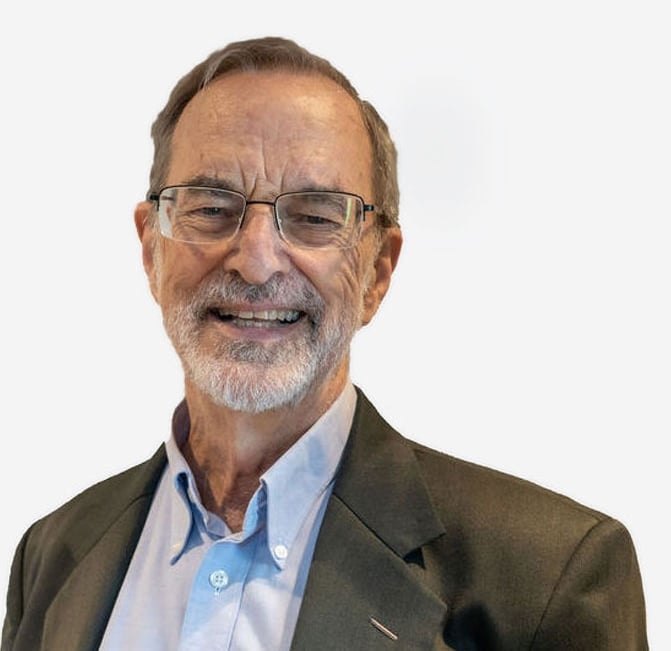
John Buck
Advisor
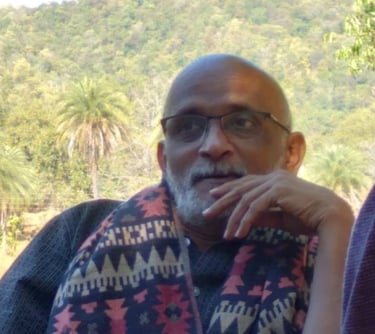
Biren Shah
Advisor
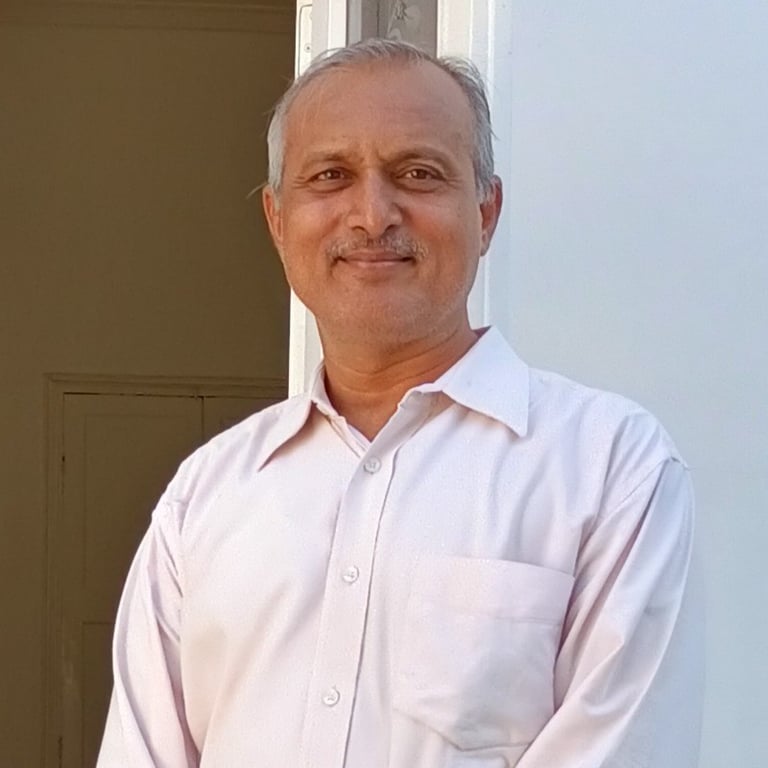
Bhavesh Gandhi
Associate Consultant & Facilitator
THE PEOPLE BEHIND THIS WORK
Our core team is supported by a wider network of experienced consultants, trainers, and facilitators, with around 30 members in India and nearly 90 members globally.
WHAT MAKES US DIFFERENT
We bring together two things that are often treated separately: care for people and care for structure.
Many organizations seek support when they are experiencing friction, complexity, slow decisions, misalignment, or growing pressure on people and systems. In those moments, it is easy to focus only on the most visible problems.
What makes our work different is that we pay attention to how people experience work and to the processes, systems, decision structures, and operating conditions that shape that experience every day.
This allows us to support change that is not only thoughtful but also practical, durable, and aligned with the reality of the organization.
We want to see organizations where people feel more connected, more in flow, and more effective in what they do, and where the way work happens supports both meaningful outcomes and human well-being.
WHO WE DON'T WORK WITH
Industries like chemical and pharma companies whose practices we do not align with.


Companies or groups that harm nature or prioritize profits at the expense of environmental wellbeing.
Organizations that expect implementation -only support without involving us in co-creating or designing the solution.
Activist organizations or groups that focus on working against something or someone
Office in Ahmedabad, India
Collaborating globally
© 2026 Co-Creative Solutions. All rights reserved.